Photography Database of the National Taipei University of Education
By Chien Hung-yi 簡宏逸, Christine Moll-Murata 莫克莉 and Ho I-lin 何義麟
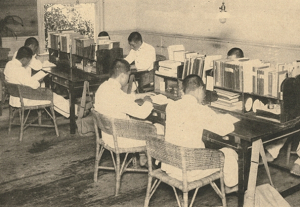
Students’ self-study time. (Source: The 30-Year Memorial Album of the Taihoku Normal School (1926) 臺北師範學校創立三十周年記念寫真帖)
Since 2023, an international team of German and Taiwanese scholars has cooperated with the Staatsbibliothek zu Berlin (Stabi), a leading institution for East Asian studies in Germany, to construct a publicly accessible database of historical images from the National Taipei University of Education (NTUE 國立臺北教育大學), the oldest modern school established in Japanese colonial Taiwan. The team members include Prof. Ho I-lin 何義麟 (National Taipei University of Education), Prof. Dr. Christine Moll-Murata (Ruhr-Universität Bochum), Prof. Chien Hung-yi 簡宏逸 (National Cheng Kung University), and student assistants from their affiliated universities in Germany and Taiwan. This international cooperation between NTUE and Stabi provides not only a scholarly annotated dataset for further research and application, but also a stable digital infrastructure for the preservation and dissemination of the collection. Stabi’s curatorship also ensures the long-term accessibility of these precious historical sources. The database owes its thanks to NTUE staff members who contributed to digitalization and organization of original photographs since the mid-2000s. Dr. Hung-yi Chien initiated the idea of creating a database for permanent curation while working with Prof. Moll-Murata at RUB as a postdoctoral researcher on the BMFTR-funded project TAP (Taiwan als Pionier) in early 2022. Her visit to Taiwan in June of that year successfully launched discussions of this international cooperative project. The financial support of the Chiang Ching-kuo Foundation for International Scholarly Exchange, which provided financial support for indexing and annotating the digitized historical images preserved at NTUE, is gratefully acknowledged.
Number of entries: 3,152
Project duration: 2023–2026
Time range of photographs: 1895–1991
Geographical location of photographs: mainly Taiwan
Historical Context
The National Taipei University of Education is one of Taiwan’s oldest modern public educational institutions. Its predecessor dates back to the Shizangan 芝山巖 School, founded in 1895 by the Japanese colonial government. In 1896, the Shizangan School was merged into the newly established Taiwan Government-General Normal School at Taihoku (Taipei) 臺灣總督府國語學校, literally translated as the National Language School, and the institution moved to a new campus in what is now central Taipei the following year. In the early years of Japanese rule, the Normal School at Taihoku shouldered the dual task of training primary school teachers in Taiwan and providing further education for Taiwanese students. The school became the alma mater of many leading figures in Taiwan’s modern history. In 1919, the institution was reorganized as the Taiwan Government-General Taihoku Normal School 臺灣總督府臺北師範學校 and developed into a specialized institution for training primary school teachers. Since then, it has remained a leading center for teacher education in Taiwan, laying an important foundation for the island’s educational infrastructure and contributing to the high level of human development that Taiwan enjoys today.
| Year | Name |
|---|---|
| 1895 | 芝山巖學堂 Shizangan School |
| 1896 | 臺灣總督府國語學校 Taiwan Government-General Normal School [at Taihoku] (Literal translation: Taiwan Government-General National Language School) The normal schools mainly enrolled primary education graduates until 1943 |
| 1919 | 臺灣總督府臺北師範學校 Taiwan Government-General Taihoku Normal School |
| 1927 | Co-existence:
臺灣總督府臺北第一師範學校 臺灣總督府臺北第二師範學校 |
| 1943 | 臺灣總督府臺北師範學校 Taiwan Government-General Taihoku Normal School The school enrolled secondary education graduates. |
| 1945 | 臺灣省立臺北師範學校 Taiwan Provincial Taipei Normal School The school offered a three-year upper-secondary program. Spinout: |
| 1961 | 臺灣省立臺北師範專科學校 Taiwan Provincial Taipei Junior Teachers College (The junior college enrolled junior high school graduates and offered a five-year upper-secondary program.) |
| 1987 | 臺灣省立臺北師範學院 Taiwan Provincial Taipei Teachers College The college was a higher education institution and enrolled senior high school graduates, offering bachelor’s degrees and above since 1987. |
| 1991 | 國立臺北師範學院 National Taipei Teachers College |
| 2005 | 國立臺北教育大學 National Taipei University of Education |
Before the institution changed its name to National Taipei University of Education in 2005, it was known by several different names, each reflecting a change in curriculum or political context:
Most graduates of normal schools during the Japanese colonial period were male, but the Taihoku First Normal School began enrolling female students in 1928. The Taihoku Second Normal School remained a male-only institution until the two schools merged into the post-secondary Taihoku Normal School in 1943. The new Taihoku Normal School used the Second Normal School as its main campus, which later developed into today’s NTUE. After the end of the Japanese colonial rule in 1945, the Taiwan Provincial Taipei Normal School enrolled both male and female students. The number of female teachers steadily increased in post-war Taiwan and surpassed that of male teachers in the mid-1970s.
For the NTUE, photography is a method of historiography. The formats of the NTUE collection of historical images reflect the mainstream methods of distributing photography in their periods. Most photos from the Japanese colonial period are printed in edited albums to commemorate the institution’s development or students’ graduation. When the colonial government split the Taihoku Normal School into the first and the second in 1927, the Taihoku Normal School published a memorial album and an accompanying essay collection. Both preserved the vivid student life in the previous three decades. Graduating students also compiled their own memorial albums each year since the 1920s, but these albums are now in the alumni’s possession. NTUE has two copies of pre-1945 memorial albums donated by alumni in recent years. The National Museum of Taiwan History acquired three memorial albums, constituting a larger collection of graduation albums from Japanese colonial Taiwan. The practice of compiling memorial albums was interrupted by the Second World War, wartime material shortages, and post-war economic turmoil, but resumed in 1950. Because NTUE did not compile an official institutional history until 1986, a year before it became a Teachers College, the photos and essays in graduation albums are important sources for understanding the reconstruction and development of normal education in post-war Taiwan.
In addition to edited memorial albums, the NTUE Alumni Center also maintains a vast collection of loose photographs, with the earliest ones dating back to the 1950s. These images constitute the majority of the NTUE Photography Database hosted on CrossAsia. They document both routine and special events involving students, teaching staff, or both. The photographs are believed to have been taken by several unidentified NTUE staff members or students. Certain imperfections, such as missing focus, insufficient exposure, and tilted horizons, indicate that the photographers were not professionals. The increasing number of photographs and the growing variety of topics also reflect the gradual lowering of the technical barriers to photography.
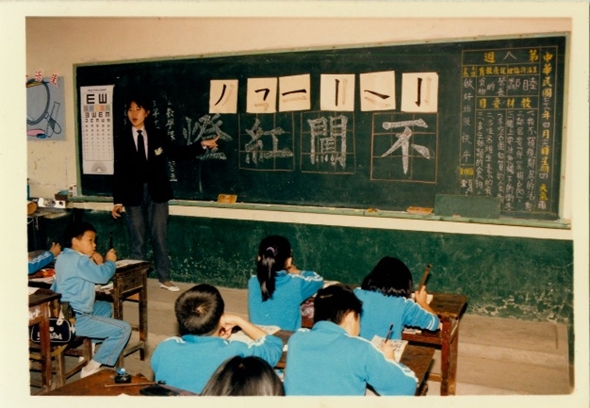
Dr. Ye Xiadi’s 葉霞翟 (1914 – 1981) thirteen-year tenure as principal of the Junior Teachers’ College (1967 – 1980) coincided with the shift in mainstream photography from monochrome to colour. Dr. Ye herself frequently appeared in photographs taken at public events, making her the most prominent principal represented in the NTUE Photography Database. Educational activities are the most common subject in the collection. Photographs were taken for public promotion, for the preparation of graduation albums, or simply to leave documentary evidence for future reference. Traces left in the original albums indicate that some photographs were selected from the larger collection. They were probably brought to the editorial office and incorporated into the album layout and printing process.
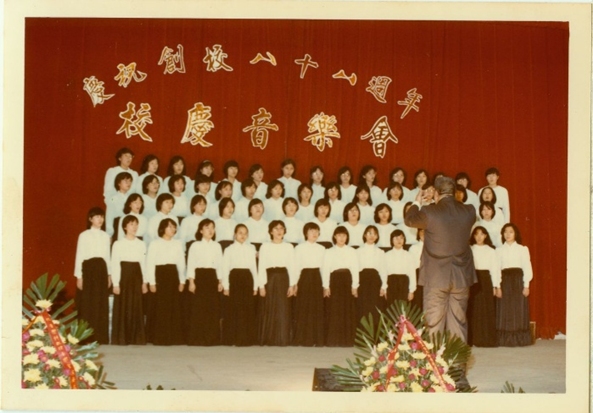
Besides educational scenes, various aspects of student life constitute another significant part of the database. NTUE functioned as a full-boarding school until it became a teachers college in 1987, and collective boarding at affiliated elementary schools was also required for student teaching internships until the mid-1990s. This institutional arrangement limited students’ extracurricular activities largely to the campus. The student union organized various forms of entertainment, such as concerts, performances, and evening parties, many of which were recorded in the NTUE Photography Database.
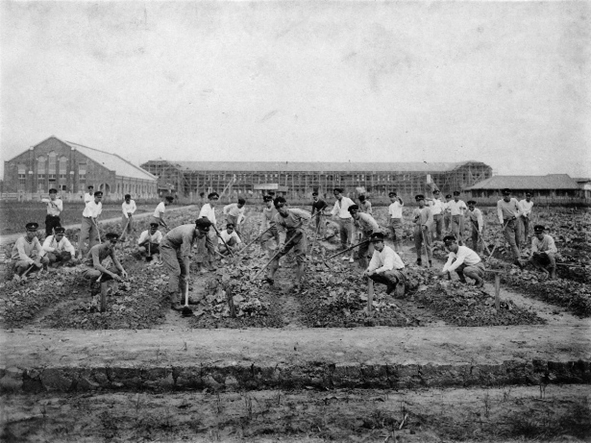
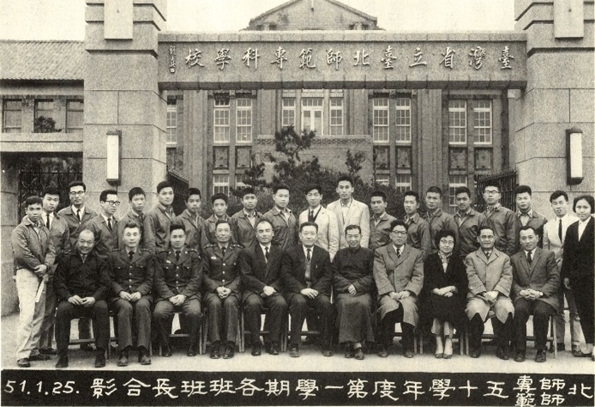
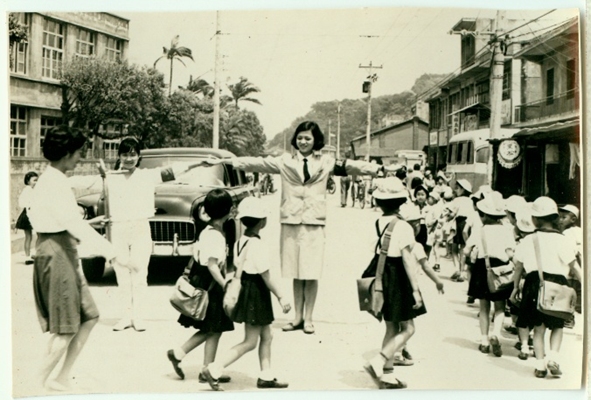
Scholarly Value of this Database
Both the modern education system and photography were key components of Taiwan’s colonial modernity. The Japanese colonial government used formal education to promote the Japanese language, aiming to assimilate Taiwanese people into the Japanese nation. At the same time, the colonial enterprise needed to be made visible both domestically and internationally in order to secure political and public support. To document and advertise Japanese colonial achievements in Taiwan, the colonial government adopted photography – one of the new technologies developed in the nineteenth century for transmitting visual information – to produce vivid propaganda in various formats. From expensive photographic albums to widely circulated postcards, images of colonial Taiwan became collectible souvenirs representing the achievements of imperial expansion in this new territory of the Japanese Empire.
Chen Fang-ming 陳芳明, a Taiwanese left-wing historian and literary critic, reviewed several compilations of colonial postcards published in the 1990s and proposed four types of photography under Japanese rule: Japanese, Japanization, De-Japanization, and anti-Japanization images. All four types demonstrate the operation of political power and colonial dominance. Even the latter two categories could ultimately serve colonial purposes, for De-Japanization images promised future colonial assimilation, and anti-Japanization demonstrated the wielding of colonial power in the name of order and protecting docile civilians. In most colonial photographs, the image and voice of Taiwanese subjects were largely absent. Chen Fang-ming’s argument provides an important framework for understanding colonial photography, particularly because many of these photographs still appeal to contemporary aesthetic standards and tastes.
However, over the past two decades, historians, archivists, and antiquarians have discovered increasing numbers of photographs taken and developed by individuals outside the centers of colonial power, such as middle-class Japanese families, teachers and students at primary and secondary schools, and visiting tourists. These photographs were taken to commemorate life events, record student life, or document travel experiences. As photography critic Chang Shih-lun 張世倫 reminds us, photographs in graduation albums often record individual experiences and private memories. The people and scenes captured in these albums were not merely passive objects of photography and interpretation. In many cases, they themselves took photographs, instructed others to take them, and interpreted the resulting images within their own social contexts. Although relations of power and domination cannot be entirely excluded from the photographic practices surrounding graduation albums, these images were generally more grassroots in character and less directly tied to colonial agendas than the official visual publications of the period.
Post-war photographs in the NTUE collection reveal both continuity and discontinuity with the Japanese colonial period. In contrast to the public and highly staged nature of photography under Japanese rule, the post-war collection shows a gradual transition from staged images to more casual snapshots. This shift reflects the declining cost of photography and the increasing frequency with which people were photographed over the decades of post-war Taiwan. The growing casualness of photography allows modern viewers to observe scenes that were not intended for outside audiences. Such images are therefore often closer to everyday life on campus.
For example, Chien Hung-yi, one of the directors of the research team, noticed in the postwar NTUE photographs that signboards showed calculations from the establishment of the Normal School of Taihoku in 1896. This practice diverged from the official rule that required pre-war institutions in Taiwan to count from 1945, the year of the “retrocession” of Taiwan after World War II. No official record commented on this deviating practice, but the photographic evidence preserved in the NTUE collection provides strong support for this otherwise undocumented practice.
The NTUE Photography Database, therefore, aims not only to preserve and present historical images but also to make them intelligible to researchers from diverse disciplinary and geographical backgrounds. Each photograph in the database is accompanied by detailed annotations that identify people, locations, events, and institutional contexts whenever possible. These annotations provide essential guidance for users with little prior knowledge of Taiwan’s history, educational system, or social environment. By situating the images within broader historical and cultural contexts, the database enables scholars from fields such as history, anthropology, education, media studies, and digital humanities to approach the collection from their own research perspectives. At the same time, the annotated images encourage users to treat photographs not merely as illustrations but as historical evidence in their own right. When read together with other sources, these visual materials open new possibilities for exploring topics such as everyday life in educational institutions, the formation of professional identities, gender relations in teacher training, and the transformation of campus culture across the colonial and post-war Taiwan.
A bibliography (see below) of major studies related to the history of NTUE and teacher education in Taiwan is also provided in this database. It offers users an overview of existing scholarship and serves as a starting point for further research using the photographic materials presented in this database.
Privacy and Protection of Personal Information
The NTUE Photography Database contains historical images that may include identifiable individuals. The project team is committed to respecting privacy and protecting personal information in accordance with applicable laws and regulations. When photographic or other materials in the database are in conflict with intellectual property or other personal rights, the research team and the institutions contributing the materials will responsibly evaluate request for the deletions of specific objects in accordance with the relevant legal and ethical standards governing the protection of personal information and privacy. Please contact the National Taipei University of Education’s Alumni Center for clarifying such cases.
本資料庫包含及可辨識個人身分的歷史影像。專案團隊致力於尊重隱私,並遵循臺灣與歐盟個人資訊保護相關法規保護個人資訊。當資料庫中的照片或其他資料侵犯智慧財產權或個人權利時,研究團隊和提供資料的機構將根據保護個人資訊和隱私的相關法律和倫理標準,評估刪除特定內容的請求。如果您對於自身在本資料庫中的呈現有疑慮,請與國立臺北教育大學秘書室校友中心暨校史館聯絡,謝謝。
National Taipei University of Education’s Alumni Center
國立臺北教育大學秘書室校友中心暨校史館
Postal and Visiting Address:
10671 臺北市大安區和平東路二段134號
10671 No. 134, Heping East Road, Daan District, Taipei City, Taiwan
Phone: 886-2-27321104 Ext. 82085
Email: grad@tea.ntue.edu.tw
Unless otherwise specified, the images and associated metadata in the Database are made available under a Creative Commons BY-NC-ND 4.0 license. Users are free to access, download, and use the materials within the scope permitted by the license. For uses that exceed these terms, users should contact the Alumni Center of the National Taipei University of Education to obtain the necessary permission.
Images are made available by the National Taipei University of Education 國立臺北教育大學 (NTUE) under the copyright CC-BY-NC-SA.
The project team also welcomes contributions from individuals who may recognize people, places, or events depicted in the photographs. Additional information provided by alumni, family members, or other knowledgeable viewers can significantly improve the accuracy and richness of the annotations in the database. Individuals who wish to share such information are encouraged to contact the National Taipei University of Education’s Alumni Center. Verified information may be incorporated into the database to enhance the historical value of this already precious collection.
NTUE History Research Bibliography
Sources
Chinese (ordered by number of character strokes of author names or book titles)
《日治時期師範教育史料選編》,南投:國史館臺灣文獻館,2016。
《北師四十年》,臺北:臺灣省立臺北師範專科學校,1986。
吳文貴,《心的肖像》,臺北:喬智形象設計有限公司,2019。
吳濁流,《無花果:臺灣七十年的回想》,臺北:前衛,1990。
汪知亭,《臺灣教育史料新編》,臺北市:臺灣商務印書館,1978。
芮鶴延,〈臺灣省師範學校學生教育實習問題之研究〉,政治大學教育研究所,1957。
《南師壹百年》,臺南:國立臺南師範學院,1998。
省立新竹師範學校,《省立新竹師範學校概況》,新竹:省立新竹師範學校,1953。
夏起晉,〈臺北師範年來推行視聽教育概況〉,《視聽教育雙月刊》1卷1期,1959,頁12-20。
《師範生》,臺北:良友書局,1972。
國立臺北師範學院教務處出版組,《國立臺北師範學院概況》,臺北:國立臺北師範學配 教務處 出版組,1994。
國立臺北師範學院傑出校友評選委員會編,《芳蘭菁英 : 傑出校友芳名錄》,臺北市:國立臺北師範學院,1996。
張良澤譯, 塩澤亮作 ;,《從臺中雙冬疏散學校到內地復員:一位臺北女子師範學校教授在戰爭末期的紀錄》,臺北:遠足文化,2019。
教育部,《師範學校設備標準草案》,臺北:教育部,1946。
教育部,《簡易師範學校課程標準》,臺北:教育部,1946。
教育部中教司,《教育部修訂師範學校課程標準參考資料》,臺北:教育部中教司,1961。
教育部中等教育司,《師範學校設備標準》,臺北:教育部中等教育司,1963。
郭金水等編,《北師壹世紀 : 慶祝創校壹百周年校慶特刊》,臺北市:國立臺北師範學院,1996。
《滋蘭集:北師壹百周年紀念文錄》,臺北:國立臺北師範學院,1996。
葉蘋(葉霞翟),《一樹紫花》,臺北:三民,1969。
臺灣省立臺北女子師範學校,《臺灣省立臺北女子師範學校第一屆畢業生暨新宇落成特刊》,臺北:臺灣省立臺北女子師範學校。
臺灣省立臺北師範專科學校,《省立臺北師專概況》,臺北市:臺灣省立臺北師範專科學校,1968。
臺灣省立臺北師範專科學校,《臺北師專改制三年》,臺北市:臺灣省立臺北師範專科學校,1964。
臺灣省立臺北師範專科學校編,《臺灣省立臺北師範專科學校概況》,臺北市:臺灣省立臺北師範專科學校,1971。
臺灣省立臺北師範學校,《臺灣省立臺北師範學校地方教育輔導工作實况》,臺北:臺灣省立臺北師範學校,1953。
臺灣省立臺北師範學校,《臺灣省立臺北師範學校附設國校教師進修班暨師範生代職實習 : :制度試辦總報告》,臺北:臺灣省立臺北師範學校,1956。
臺灣省立臺南師範學校,《臺灣省立臺南師範學校四三級同學錄》,臺南:臺灣省立臺南師範學校,1954。
臺灣省行政長官公署教育處,《臺灣一年來之教育》,臺灣省行政長官公署委員會,1945。
臺灣省行政長官公署教育處,《臺灣教育概況》,臺北:臺灣省行政長官公署教育處,1946。
劉平候,〈省立臺北師範實驗社會中心教育報告〉,《中等教育》7卷1/2期,1956,頁2-3。
韓寶鑑,〈省立臺北師範學院示範班簡介〉,《訓育研究》2卷1期,1961,頁22-24。
趙雲山,〈師範教育改進的我見〉,《師友月刊》84期,1974,頁24-25。
Japanese (in modern Japanese syllabary order)
ああわが母校台南師範 : 台湾総督府台南師範学校史》,川越:台南師範学校同窓会,1980。
《青葉》,臺北:臺灣師範學校附屬公學校,1935。
小穴武次,臺北師範學校附屬公學校研究會,《啟南教育》,台北:臺灣子供世界社,1922。
國民精神文化研究會, 臺北第一師範學校,《皇典 / 臺北第一師範學校國民精神文化研究會》,臺北:臺北第一師範學校 國民精神文化研究會,1938。
《師範學校臺語科用臺灣語敎本》,臺南:臺灣總督府臺南師範學校校友會,1927。
新竹師範學校附屬國民學校,《初等科第一期教科經營案》,新竹:新竹師範學校附屬國民學校,1942。
《新竹師範學校附屬國民學校修了記念寫真帖.初等科第三回》,新竹:新竹師範學校附屬國民學校,1943。
正榕會, 臺北師範学校附屬小学校,《地理科手工科觀察科教授提要》,臺北:臺湾子供世界社,1926。
臺中師範學校,《臺中師範學校同窗會誌》,台中:臺中師範學校,1939。
臺中師範學校數學硏究室,《師範演習科數學》,台中:臺中師範學校校友會,1939。
臺南師範学校,《作法教本》,台南:臺南師範学校校友會,1927。
臺南師範學校,《臺南師範學校創立拾周年紀念誌》,臺南:臺南師範學校,1928。
臺南師範學校,《臺灣總督府臺南師範學校生徒必攜》,台南:臺南師範學校,1927。
臺南師範学校附屬公学校,《公學校教育の第一步》,台北:臺湾子供世界社,1924。
臺南師範学校附屬公学校研究部,《最新公学校教育指針》,台北:臺灣子供世界社,1930。
臺南師範學校校友會編, 臺南師範學校校友會,《臺灣語教科書》,台南:臺南師範學校校友會 編,1937。
臺北第一師範學校校友会編,《朝禮時發表感想集》,臺北:臺北第一師範學校校友会。
臺北第一師範學校附屬第一國民學校,《臺北第一師範學校附屬第一國民學校一覽》,台北:臺北第一師範學校附屬第一國民學校,1941。
臺北第一師範學校附屬第二國民學校光昭會,《しつけ》,臺北:臺北第一師範學校附屬第二國民學校光昭會,1941。
臺北第一師範学校附屬小学校正榕会,《研究紀要‧第5輯, 算術.理科》,台北:臺灣子供世界社,1929。
臺北第一師範學校附屬小學校正榕会,《研究紀要‧第6輯, 算術.唱歌》,台北:臺灣子供世界社,1931。
台北第一師範學校附屬小學校同窓会、榕蔭会,《台湾台北第一師範學校附属小學校の沿革(年表)》,東京:台北第一師範學校附屬小學校同窓会,1990。
臺北第二師範學校, 臺湾総督府,《臺湾総督府臺北第二師範學校一覽》,臺北:臺湾総督府臺北第二師範學校,1935。
臺北第二師範學校,《臺北第二師範學校內地演習科生》,臺北:臺北第二師範學校,1940。
臺北第二師範學校,《臺北第二師範學校創立十周年》,臺北:臺北第二師範學校,1937。
臺北第二師範學校,《臺北第二師範學校附屬公學校安友同窓會會員名簿》,臺北:臺北第二師範學校,1937。
臺北第二師範學校,《臺北第二師範學校附屬公學校創立十周年記念誌》,臺北:臺北第二師範學校,1937。
臺北第二師範講習科,《臺北第二師範講習科卒業記念寫真帖》,臺北:臺北第二師範講習科,1939。
臺北第二師範附屬公學校啟明會,《公學校國史教授細目》,臺北:臺灣子供世界社,1938。
臺北師範學校,《臺北師範學校一覽》,臺北:臺北師範學校,1920。
臺北師範學校,《臺北師範學校創立三十周年記念寫真帖》,臺北:臺北師範學校,1926。
臺北師範學校,《臺灣公學校體操教授要目》,台北:晃文館,1919。
《臺北師範學校創立三十周年記念誌》,臺北:臺北師範學校創立三十周年記念祝賀會,1926。
臺北師範學校附屬第一國民學校,《臺北師範學校附屬第一國民學校要覽》,台北:臺北師範學校附屬第一國民學校,1943。
臺北師範學校附屬公學校正榕會,《修身科.國語科.綴方科.書き方科教授提要》,台北:臺湾子供世界社,1926。
臺北師範學校附屬公學校話し方研究部,《話し方教授に関する研究》,台北:臺湾子供世界社,1926。
臺北師範学校附屬小学校研究部,《臺灣地理教材解說》,東京:臺北師範学校附屬小学校研究部,1919。
臺北師範芳蘭會,《芳蘭會會報》,東京:臺北師範芳蘭會,1992-2008。
臺北師範芳蘭會閉會記念誌編集委員會編集,《臺北師範芳蘭會閉會記念誌》,東京:臺北師範芳蘭會本部,2008。
《臺灣教育沿革誌》,臺北:臺灣教育會,1939。
臺灣教育會編,《芝山巖誌》,臺北:臺灣教育會,1933。
臺灣總督府,《師範學校演習科用公民科教科書》,台北:臺灣總督府,1941。
臺灣總督府,《師範學校算術教科書》,臺北:臺灣總督府,1921。
臺灣總督府,《師範學校農業教科書》,台北:臺灣總督府,1941。
臺灣總督府,《臺灣總督府國語學校規則》,株式會社秀英社工塲,1896。
臺灣總督府文教局,《支那師範學校初高中學教科書調查》,東京:臺灣總督府文教局,1939。
臺灣總督府國語學校,《臺灣總督府國語學校一覧》,臺北:臺灣總督府國語學校,1914。
臺灣總督府國語學校校友會,《臺灣總督府國語學校校友會雜誌》,臺北:臺灣總督府國語學校校友會,1899。
臺湾總督府臺中師範學校,《臺湾總督府臺中師範學校一覽表》,臺中:臺湾總督府臺中師範學校,1926。
《臺灣總督府臺中師範學校一覽》,臺北:臺灣總督府臺北高等學校,1938。
《臺灣總督府臺中師範學校要覽》,臺北:臺灣總督府臺北高等學校,1942。
臺灣總督府臺南師範學校,《臺灣總督府臺南師範學校校友會誌》,台南:臺灣總督府臺南師範學校,1938。
《臺灣總督府臺南師範學校校友會會誌》,臺南:臺灣總督府臺南師範學校校友會,1931。
臺湾總督府 臺南師範學校編, 臺湾總督府 臺南師範學校,《臺湾總督府臺南師範學校一覽》,台南:臺湾總督府 臺南師範學校,1938。
《臺灣總督府臺南師範學校要覽》,臺南:臺灣總督府臺南師範學校,1937。
臺灣總督府臺北第一師範學校,《卒業記念寫真帖第三回》,臺北:熊澤寫眞館,1931。
《臺灣總督府臺北第二師範學校落成紀念》,臺北:臺北第二師範學校,1929。
臺灣總督府臺北師範學校,《臺灣總督府臺北師範學校一覽》,臺北市:臺灣總督府臺北師範學校,1920。
朝鮮總督府,《師範學校修身書》,京城府:朝鮮總督府,1925。
藤本辰男,《珠算:臺中師範學校數學科》,台中:臺中師範學校鍊成報國團,1942。
ブライアンヂエ.イングム (Bryan, J. Ingram),《中學及師範學校用イングリッシエコ》,東京:丸善,1919。
屏東師範學校,《臺灣總督府屏東師範學校一覽表》,屏東:屏東師範學校,1940。
《芳蘭聖訓集》,臺北:臺北第二師範學校,1942。
保科孝一,《大東亞共榮圈と國語政策》,東京:統正社,1942。
向山寬夫,《臺灣臺北第一師範學校附屬小學校の沿革(年表)》,東京:同小學校同學會榕蔭會,1990。
文部省普通學務局,《師範學校ニ關スル調查》,東京:1928。
文部大臣官房學校衞生課,《師範學校に於ける學校衞生教授》,文部大臣官房學校衞生課,。
山田吉次,《臺湾師範学校医学專门学校等國語受験準備書》,台北:新高堂,1920。
吉田金造,《臺灣高等學校各中學各師範學校各實業學校各高等女學校メ-トル法ニ基ク算術受驗準備書》,臺北:新高堂,1929。
吉田靜致,《師範學校新修身書卷二》,東京:寶文館,1934。
吉野秀公,《臺灣教育史》,臺北:臺灣日日新報社,1927。
Research
Chinese (ordered by number of character strokes of author names or book titles)
中華民國師範教育學會,《臺灣小學師範教育發展:師道典範的建立》,臺北:學富,2018。
中華民國師範教育學會編,《臺灣小學師範教育發展:師範傳統的挑戰》,臺北:學富,2020。
中華民國師範教育學會編,《臺灣小學師範教育發展:師範精神的延續》,臺北:學富,2019。
方林,〈日據時期臺北師範學校的美術教育1900’s-1920’s〉,《美育》59, 61卷1995,頁34-38, 29-38。
方婉萍,〈任培道對台北女子師範學校之創建與經營〉,臺北市立教育大學社會科學教育學系碩士班2007。
王宇鵬,〈日本統治時代の美術教育が台湾の近代美術に果たした役割:台北師範学校を中心に〉,《美術教育学研究》50卷1期,2018,頁393-400。
王前龍,〈大學法、師資培育法與師範學院課程的轉型歷程:以臺東師院為例〉,《台灣教育研究期刊》2卷6期,2021,頁131-55。
白雪蘭,〈由倪蔣懷與葉火城學生時代作品淺談國語學校與臺北師範之圖畫教育〉,《藝術家》42卷5期,1996,頁294-99。
何俊青,〈中央政府來臺後師範生的學校生活經驗探究(1949-1952):以臺東師範為例〉,《高雄師大學報:教育與社會科學類》38期,2015,頁93-116。
何義麟,〈日本時代臺灣青年的覺醒與抗爭:以臺北師範學校出身者之動向為中心〉,《臺北文獻》直字217卷2021,頁81-120。
何義麟,〈皇民化期間之學校教育〉,《臺灣風物》36卷4期,1986,頁47-88。
何義麟,〈鄧雨賢的求學歷程及其歌謠創作理念〉,《臺灣史學雜誌》19卷2015,頁47-69。
何義麟,〈戰前臺灣知識份子之日本觀:以謝南光與王白淵為中心〉,《淡江史學》10卷1999,頁349-68。
何義麟,《跨越國境線:近代臺灣去殖民化之歷程》,板橋:稻鄉,2006。
何義麟、簡宏逸編,《芝巖芳影:國立臺北教教育大學130週年校史風華》,臺北:五南,2025。
何義麟、簡宏逸編,《國立臺北教育大學日治時期畢業生名錄改版計畫》,臺北:國立臺北教育大學,2022。
何義麟、簡宏逸編,《圖說臺北師範校史》,臺北:五南,2013。
何義麟、簡宏逸編,《圖說臺北師範校史》增訂版,臺北:五南,2016。
吳子我,《中國教育問題》,臺北:臺灣商務,1970。
吳子我,《美國教育指導》,臺北:教育部訓育委員會,1969。
吳文星,〈太陽旗下的臺灣:教育篇〉,《日本文摘》100期,1994,頁80-100。
吳文星,〈日刻時期臺灣的高等教育〉,《中國歷史學會史學集刊》25期,1993,頁143-57。
吳文星,〈日治時期臺灣的教育與社會流動〉,《臺灣文獻》51卷2期,2000,頁163-73。
吳文星,〈日治時期舊制臺中師範學校之探討(1899-1902)〉2000。
吳文星,〈日據時期之臺灣師範教育:教學與訓育〉,《台灣師大歷史學報》8卷1980,頁251-312。
吳文星,〈日據時期臺灣總督府推廣日語運動初探(上)〉,《臺灣風物》37卷1期,1987,頁1-31。
吳文星,〈日據時期臺灣總督府推廣日語運動初探(下)〉,《臺灣風物》37卷4期,1987,頁53-86。
吳文星,〈近十年來關於日治時期臺灣教育史研究之動向(1991-2000)〉,《臺灣師大歷史學報》29期,2001,頁221-38。
吳文星,〈舊制臺中師範學校之研究〉,《2000。
吳文星,《日治時期臺灣的社會領導階層》,臺北:五南,2008。
吳文星,《日據時期臺灣師範教育之研究》,臺北:國立臺灣師範大學歷史研究所,1983。
吳鈺瑾,《島民、新民與國民:日治臺籍教師劉克明(1884-1967)的同化之道》,臺北:秀威資訊科技股份有限公司,2022。
李逸祥,〈戰後初期臺灣學校教育的國語運動(1945-1950)〉,臺灣大學歷史學研究所2022。
李園會,〈日本統治臺灣初期之教育政策〉,《初等教育研究集刊》2期,1994,頁1-10。
李園會,〈日據時期國語學校師範部之教育〉,《初等教育研究集刊》3期,1995,頁167-77。
李園會,《日據時期之臺中師範學校》,臺北:五南,1985。
李園會,《日據時期臺灣初等教育制度》,臺北市:國立編譯館,2005。
李園會,《日據時期臺灣師範教育制度》,臺北市:南天書局,1997。
李園會,《日據時期臺灣教育史》,臺北市:南天書局,1997。
李園會,《台灣光復時期與政府遷台初期教育政策之研究》,復文圖書出版社,1984。
李園會,《光復後之臺中師範學校》,臺中:臺中師範學校校友會,1996。
沈翠蓮,〈光復初期臺灣師範學校教育任務(1945-1949)〉,《國民教育研究集刊》7期,1999,頁91-108。
沈翠蓮,《臺灣小學師資培育史》,臺北市:五南圖書出版公司,2004。
周婉窈,〈實學教育、鄉土愛與國家認同:日治時期臺灣公學校第三期「國語」教科書的分析〉,《臺灣史研究》4卷2期,1997,頁7-55。
周婉窈,〈臺灣人第一次的「國語經驗」:析論日治時期的日語運動及其問題〉,《新史學》6卷2期,1995,頁113-61。
林正和,〈日治時期芝山巖事件與其精神轉換之研究〉,國立臺灣大學歷史學研究所2017。
林明聖,〈談「臺灣總督府國語學校」的博物學家〉,《臺灣博物季刊129》35卷1期,2016,頁6-19。
林玫君、蔡禎雄,〈戰後臺灣國民小學體育師資養成的歷史探源:民國34年~民國76年〉,《體育學報》15期,1993,頁85-98。
林政華,〈國立臺北師範學院圖書館所藏早期有關《源氏物語》日文書目〉,《漢學研究通訊》12卷4期,1993,頁294-95。
林曼麗、顏娟英、蔡家丘、邱函妮、黃琪惠、楊淳嫻、張閔俞,《不朽的青春:臺灣美術再發現》,臺北:國立臺北教育大學,2020。
邱垂堂,《北師的故事 國立臺北師範學院1896-2004北師校史簡介》國立臺北師範學院校友服務中心,2004。
金湘斌,〈日治初期(1895-1906年)臺灣學校女子體育的摸索與建立〉,《師大臺灣史學報》4期,2011,頁161-201。
洪麗卿,〈1945年後臺灣師範院校的變革與發展之研究〉,國立臺中教育大學國民教育研究所博士論文2005。
派翠西亞.鶴見 (Tsurumi, E. Patricia),《日治時期臺灣教育史》,宜蘭:仰山文敎基金會,1998。
孫芝君,〈日治時期臺灣師範教育音樂教育之研究〉,國立臺灣師範大學音樂研究所1997。
師友月刊,〈論師範教育的革新〉,《師友月刊》84期,1974,頁1。
師友月刊編輯小組,〈師專改制為師範學院籌備概況〉,《師友月刊》240期,1987,頁40-41。
師友月刊編輯小組,〈從師專到師範學院〉,《師友月刊》240期,1987,頁9。
徐聖凱,《日治時期臺北高等學校與菁英養成》,國立臺灣師範大學,2012。
素秋,〈日治時期臺灣國家認同教育之探討(1895-1945)〉,國立臺灣師範大學教育研究所2003。
國立臺北教育大學秘書室校友中心編., 洪世才等採訪撰文 ;,《北師之光 : 北師的人師與經師》,國立臺北教育大學,2015。
張希哲,〈師範教育法與我國師範教育的發展〉,《師友月刊》150期,1979,頁19-20。
張素珠,〈訪台灣排球紀錄先趨:彭金清老師〉,《中華排球》2002。
張淑媚、蔡元隆、黃雅芳,〈「矛」與「盾」的衝突:論日治時期初等學校臺籍教師的「隱性抗議」之意涵及其在臺灣教育史上的啟示〉,《中等教育》64卷2期,2013,頁61-77。
張清濱,〈師範教育觀念的革新與師範教育制度的改革〉,《師友月刊》95期,1975,頁33-37。
許佩賢,〈日治前期公學校教師的學經歷-以興直公學校教職員履歷書分析為中心(1898-1920)〉,《師大臺灣史學報》10期,2017,頁37-75。
許佩賢,《太陽旗下的魔法學校 : 日治臺灣新式教育的誕生》,新北:東村,2012。
許佩賢,《殖民地臺灣的近代學校》,臺北:遠流,2005。
許佩賢,《殖民地臺灣近代教育的鏡像:一九三○年代臺灣的教育與社會》,新店:衛城,2015。
許佩賢等,《臺灣史論叢 教育篇:帝國的學校•地域的學校》,臺北:國立臺灣大學出版中心,2020。
許嘉峻,〈從文學作品談台北師範校史研究與教學:以吳濁流的作品「無花果」為例〉,《國民教育》53卷2期,2012,頁50-56。
許嘉峻,〈戰後初期臺北師範學校畢業生的適應與發展〉,國立臺北教育大學臺灣文化研究所2015。
郭柏秀,〈國小理想教師圖像變遷之研究:從師資培育機構變革檢視〉,清華大學教育與學習科技學系2018。
郭柏秀,〈從國小師資培育法規的變遷論教師地位與國家控制之關連性〉,《教師專業研究期刊》4期,2012,頁1-24。
郭彭淇,〈戰後臺灣中等學校訓育制度之探討:以師範學校為例〉,國立臺北教育大學2010。
陳文松,〈臺灣近代學閥形成之原型:以臺灣總督府國語學校同窗會為中心〉,《跨域青年學者臺灣史研究論集》,臺北:國立政治大學臺灣史研究所,2008。
陳文松,《殖民統治與「青年」:臺灣總督府的「青年」教化政策》,臺北:國立臺灣大學出版中心,2015。
陳文添,〈1922年臺北師範學校學生襲警事件〉,《臺灣文獻別冊》33卷2010,頁18-29。
陳佩佩,〈從圖畫教科書看日治時期臺灣初等學校美術教育〉,《議藝份子》2003,頁23-40。
陳柏如,〈國立臺北師範學院體育學系體育專業人力培育之研究〉,臺灣師範大學體育學系2003。
陳培豐,《同化的同床異夢:日治時期臺灣的語言政策、近代化與認同》,臺北:麥田,2006。
陳畢慧,〈戰後台灣師範學校教育之研究(1945-1967)〉,東海大學歷史學系1999。
陳瑞龍,〈日本師範教育之現狀〉,《師友月刊》26期,1969,頁13-14。
陳遠超,〈日本近代初級普通敎育在臺灣的移植:以國語傳習所乙科及國語學校附屬學校的課程為討論對象〉,國立臺灣大學歷史學硏究所1998。
陳德和,〈論師範精神的重建〉,《鵝湖月刊》364期,2005,頁1。
曾立維,〈臺灣戰後師範學校教育的斷裂與延續〉,《臺灣風物》56卷2期,2006,頁143-65。
游鑑明,〈日據時期公學校女教師的搖籃:臺北第三高等女學校(1897-1945)〉,《臺灣光復初期歷史》,臺北:中央研究院中山人文社會科學研究所,1993。
游鑑明,《日據時期臺灣的女子教育》,臺北:國立臺灣師範大學歷史研究所,1988。
黃月純,《嘉大百年 嘉師風華》,嘉義:國立嘉義大學,2020。
黃冬富,〈學校美術教育與臺灣美術發展〉,《美育》52卷1994,頁38-45。
黃冬富,〈戰後初期的臺北師範藝師科(1947-1963)〉,《美育》168卷2009,頁75-89。
黃則修,《古稀回溯:黃則修古稀紀念特輯》,臺北市:斯坦出版,1999。
黃政傑,〈談師範/教育大學改隸政策〉,《師友月刊》488期,2008,頁0-4。
黃敦為,〈從《臺灣官紳年鑑》來看日治前期的基礎教育〉,《政大史粹》10期,2006,頁153-76。
黃褘婷,〈光復初期臺灣國民學校師資之培育(1945-1949)〉,臺灣師範大學歷史學系1999。
楊孟哲,《日治時代臺灣美術教育 : 1895-1927》,臺北:前衛,1999。
葉律均,〈日治時期臺灣師範生皇民化的形塑之研究〉,國立臺灣師範大學教育學系2013。
葉碧苓,〈日治時期中等學校教師檢定考試之研究〉,《國史館館刊》41期,2014,頁1-3、5-41。
葉憲峻,〈二次世界戰後初期臺灣之中國化教育:以初等教育為例〉,國立臺灣師範大學教育研究所1992。
葉龍彥,〈臺灣光復初期的師範教育(1945-1949)〉,《44卷1期,1993。
董玲佩,〈臺灣近代學校之衛生教育與健康檢查 :以臺北師範學校及其附屬小學為中心〉,國立臺北教育大學社會與區域發展學系碩士班2015。
翟本瑞,〈臺灣教育體系中近親繁殖的影響研究:以師範院校為例〉,《教育與社會研究》7期,2004,頁1-40。
臺灣光復後北師音樂敎育發展史:並祝北師壹百週年校慶》,臺北:樂韻出版,1997。
臺灣省政府教育廳,《臺灣教育發展史料彙編 師範教育(上、下)》,1987。
趙慧璿,〈太陽旗下的歌聲:日治初期臺灣的音樂教育〉,《臺灣音樂研究》12期,2011,頁29-63。
蔡元隆、朱啟華、黃雅芳、陳彥揚,〈論日治時期臺中師範學校第一任校長及其校史計算之疑義〉,《臺灣教育研究期刊》2卷5期,2021,頁309-21。
蔡元隆、張淑媚、黃雅芳,《日治時期臺灣的初等教育 : 校園生活、補習文化、體罰、校園欺凌及抗拒殖民形式》,臺北:五南,2013。
蔡元隆、黃雅芳,《讀冊真趣味 : 從懷舊老物件看日治時期臺灣教育》,臺北:秀威資訊科技股份有限公司,2020。
蔡禎雄,〈日據時代臺灣師範學校體育的變遷〉,《體育學報》17期,1994,頁1-10。
蔡禎雄,《日據時代臺灣師範學校體育發展史》,臺北:師大書苑,1998。
蔡錦堂,〈日治時期臺灣公學校修身教育及其影響〉,《師大臺灣史學報》2期,2009,頁3-32。
鄭政誠,〈二戰末期臺南師範學校女子講習科的奮起湖疏散生活〉,《2010,頁175-200。
鄭政誠,〈日治時期桃園公學校的創建營運與教育活動(1897-1921)〉,《2期,2016,頁83-105。
鄭政誠,〈帝國的師範規訓:以殖民地時期的臺南師範學校為例〉,《臺灣光復六十五週年暨抗戰史實學術研討會論文集》,北京:九州出版社,2012。
鄭政誠,〈戰時體制下臺南師範學校學生的軍事訓練與動員(1937-1945)〉,《國史館館刊》41期,2014,頁157-86。
鄭政誠,《南臺灣的師培搖籃:殖民地時期的臺南師範學校研究1919-1945》,臺北:博揚,2010。
鄭政誠,《帝國殖民教育的逸出 : 日治臺灣教育發展論集》,臺北:秀威資訊科技股份有限公司,2021。
謝卓君,〈師資培育制度變革與師範校院轉型:社會制度論的分析與反思〉,《教育科學研究期刊》61卷2期,2016,頁29-56。
謝明如,〈日治初期臺灣地方教育會之研究〉,《臺灣師大歷史學報》43卷2010,頁231-71。
謝明如,〈日治時期臺北師範學校修身教育之研究(1902-1929)〉,《臺灣教育史研究會通訊》39卷2005,頁9-19。
謝明如,〈日治時期臺灣總督府國語學校之研究(1896-1919)〉,國立臺灣師範大學歷史學系2007。
簡宏逸,〈一架大鋼琴的故事〉,《臺灣風物》71卷2期,2021,頁9-24。
蘇振明,〈建構臺灣的美術史:臺北師範學校傑出美術校友的發現與感動〉,《雄獅美術》299卷1996,頁20-23。
Japanese (in modern Japanese syllabary order)
今泉朝雄,〈師範学校寄宿舎の歴史的変遷 : 森文政期~大正期を中心に〉,《教育學雑誌》34卷2000,頁202-13。
加藤登志子,〈「師範タイプ」形成についての一考察〉,《教育學雑誌》8卷1974,頁52-70。
汲田克夫,〈森文相の教員養成政策:所謂「師範タイプ」の形成をめぐって〉,《愛媛大学紀要 第5部 教育科学》10卷1期,1963,頁1-11。
江秀姿,〈台湾における日本統治明治期の台湾語教育:教員講習所及び国語学校を中心に(日本領臺明治時期之臺語教育:教員講習所及國語學校為主)〉,《東吳日語教育學報》30期,2007,頁49-79。
駒込武,《世界史のなかの台湾植民地支配:台南長老教中学校からの視座》,東京:岩波書店,2015。
駒込武,《植民地帝囯日本の文化統合》,東京:岩波書店,1996。
佐藤源治,《臺灣教育の進展》,臺北:臺灣出版文化株式會社,1943。
佐藤純子,〈戦時下台湾における集団疎開:台北師範学校女子部を事例に〉,《日本オーラル・ヒストリー研究》15卷2019,頁189-98。
佐藤広美、岡部芳広編,《日本の植民地教育を問う:植民地教科書には何が描かれていたのか》,東京:皓星社,2020。
白柳弘幸,《戦時下台湾の少年少女》,東京:風響社,2022。
中田敏夫,〈国立台北師範学院蔵日文図書の歴史 附同学院蔵戦前台湾関係文献目録〉,《国語国文学報》57卷1999,頁88-68。
中田敏夫,〈国立台北師範学院蔵戦前国語(日本語)教育関係文献目録〉,《国語国文学報》56卷1998,頁72-64。
町泉寿郎編,《日本統治下の台湾・朝鮮と漢文教育》,東京:戎光祥出版,2023。
English and German (in alphabetical order of author names)
Arnold, Julean H. Education in Formosa. United States Bureau of Education. Washington D.C.: Government Printing Office, 1908. Bulletin No. 5.
Chen, Jyh-Jia. State Formation, Pedagogic Reform and Textbook (De)regulation in Taiwan (1945-2000). Ph.D. dissertation, University of Wisconsin-Madison, 2003.
Chien, Hung-yi. “Education as the Engine of Modernity: Pioneers in Schooling.” In: Taiwan: Melting Pot and Innovation Hub: Collected Essays by the Project Group TAP (Taiwan as a Pionier), 25-35. Bochum: Research Unit for Taiwanese Culture and Literature, 2022.
Chien, Hung-yi. “Indigenous Elites’ School Days and Career Paths: Observations from Student Registers at the National Taipei University of Education”. Bochum: Research Unit for Taiwanese Culture and Literature, 2023.
Heylen, Ann. “The Modernity of Japanese Colonial Education in Taiwan: Moving beyond Formal Schooling and Literacy Campaigns. Taiwan Journal of East Asian Studies, vol. 1, no. 2, December 2004, 1-36.
Lin, Mosei. Public Education in Formosa under the Japanese Administration. A Historical and Analytical Study of the Development and the Cultural Problems. Ph.D. Dissertation, Columbia University, New York, 1929.
Liu, Jennifer. Indoctrinating the Youth: Secondary Education in Wartime China and Postwar Taiwan, 1937–1960. Honolulu: University of Hawai‘i Press, 2024.
Tsurumi, E. Patricia. Japanese Colonial Education in Taiwan, 1895-1945. Cambridge, MA: Harvard University Press, 1977
Tsurumi, E. Patricia. “Colonial Education in Korea and Taiwan”. In: Ramon H. Myers and Mark R. Peattie (eds.), The Japanese Colonial Empire, 1895-1945. Princeton, NJ: Princeton University Press, 1984, 275-311.
Uji-Hofer, Fabienne. Taiwans Rezeption der deutschen Bildungspolitik in der Frühphase der japanischen Kolonialherrschaft (1895−1914). Zur Bedeutung des „deutschen Modells“ in Preußens Ostprovinzen und Elsass-Lothringen. Baden-Baden: Nomos, 2024.
Team and cooperations
Contributors of the Project
- Prof. Dr. Christine Moll-Murata, Ruhr-University Bochum (Project Director)
- Ass. Prof. Chien Hung-yi 簡宏逸, PhD, National Cheng Kung University (Project Co-Director)
- Prof. Ho I-lin 何義麟, PhD, National Taipei University of Education (Project Co-Director)
- Mr. Lai Chun Yen 賴俊諺, M.A., National Cheng Kung University (Research Assistant)
- Ms. Regine Fast, B.A., Ruhr-University Bochum (Research Assistant)
- Dr. Martina Siebert, Staatsbibliothek zu Berlin
The Project was funded by the Chiang Ching-kuo Foundation for International Scholarly Exchange, Project Number DB003-U22. Funding from the BMFTR-funded research project “Taiwan as a Pioneer” was used in the initial phase of this project.
